
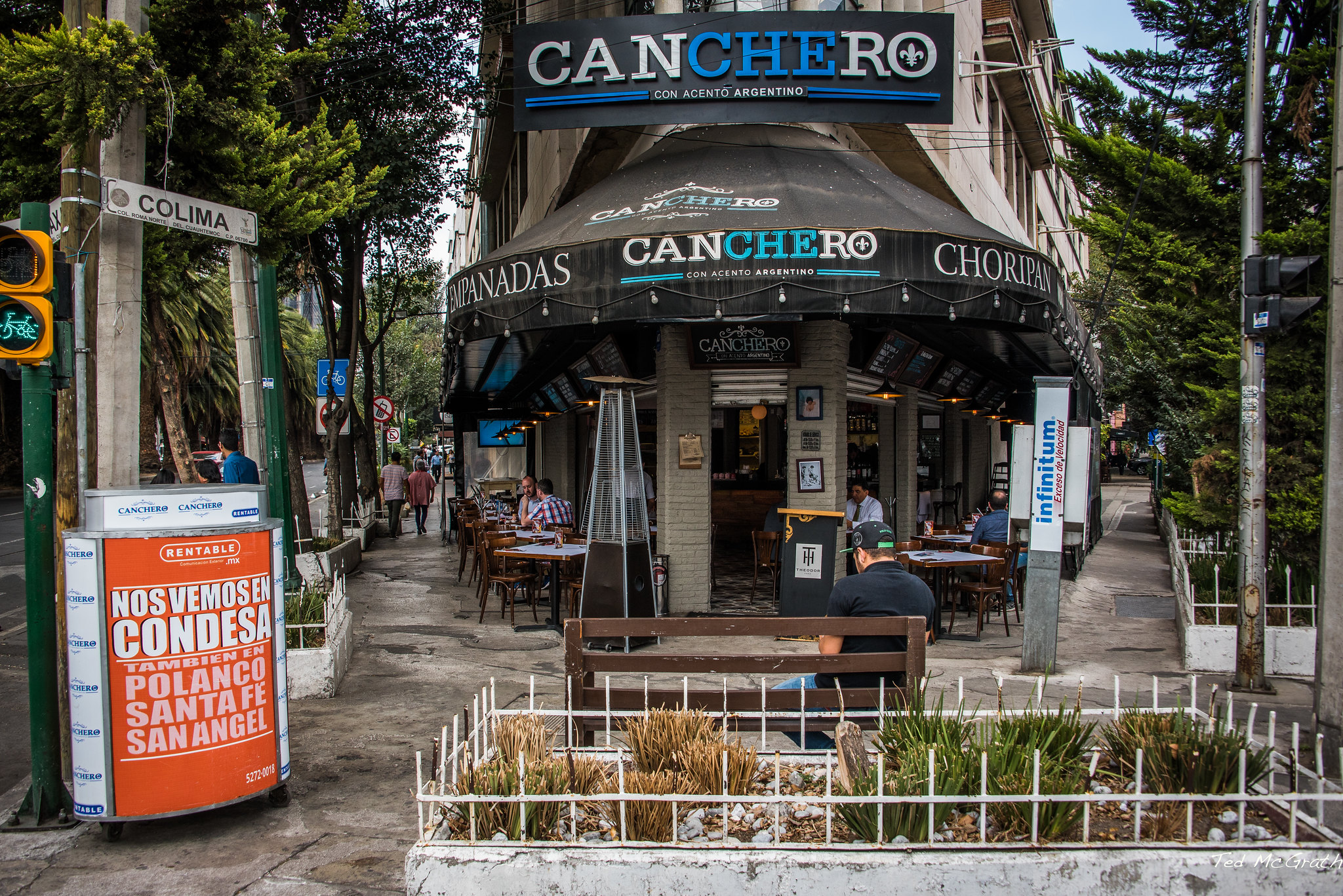
Strolling through the tree-lined streets of Mexico City’s Condesa neighborhood, it’s impossible not to be captivated by the stunning array of Art Deco buildings that dominate the landscape. This architectural style, which flourished in the 1920s and 1930s, has left an indelible mark on Condesa, making it a must-visit destination for architecture enthusiasts and casual observers alike.
As you wander through the area, you’ll quickly notice the hallmarks of Art Deco design: geometric shapes, bold colors, and intricate decorative elements. These features are beautifully showcased in the numerous apartment buildings and private homes that line the streets. One of the most striking examples is the Edificio Basurto, a seven-story residential building designed by Francisco J. Serrano in 1945. Its curved facade and stepped silhouette make it a true icon of Condesa’s Art Deco heritage.
But the Edificio Basurto is just the tip of the iceberg. As you continue your exploration, you’ll come across countless other architectural gems. Take, for instance, the Edificio San Martín, with its distinctive zigzag motifs and vibrant color scheme. Or the Edificio Jardín, which boasts an impressive array of geometric patterns and stylized floral designs.
What makes Condesa’s Art Deco architecture particularly fascinating is how it blends international influences with distinctly Mexican elements. While the style originated in Europe, local architects adapted it to suit the tastes and needs of Mexico City’s burgeoning middle class. This resulted in a unique fusion of Art Deco’s sleek modernity with traditional Mexican motifs and materials.
As you delve deeper into Condesa’s architectural landscape, you’ll start to notice subtle variations in the Art Deco style. Some buildings lean more towards the streamlined moderne aesthetic, with smooth curves and nautical-inspired elements. Others embrace a more ornate approach, featuring elaborate friezes and decorative ironwork. This diversity adds depth and interest to the neighborhood’s visual tapestry, rewarding those who take the time to look closely.
It’s not just residential buildings that showcase Condesa’s Art Deco flair. The neighborhood is also home to several notable public structures that exemplify the style. The Parque México, for instance, features a stunning Art Deco clock tower and bandstand that serve as focal points for this beloved green space. Meanwhile, the nearby Cine Lido, although no longer functioning as a cinema, remains a striking example of Art Deco theater design.
As you explore Condesa’s Art Deco treasures, it’s worth considering the historical context in which these buildings were created. The 1920s and 1930s were a time of rapid modernization and cultural transformation in Mexico City. The Art Deco style, with its emphasis on progress and sophistication, perfectly captured the spirit of this era. Today, these buildings stand as a testament to that optimistic period, offering a glimpse into the city’s past while continuing to shape its present.
Despite the passage of time, many of Condesa’s Art Deco buildings have been lovingly preserved and restored. This commitment to architectural heritage has helped maintain the neighborhood’s unique character and charm. However, it’s important to note that not all of Condesa’s Art Deco gems have been so fortunate. Some have fallen into disrepair or face threats from development pressures, highlighting the ongoing need for conservation efforts.
As your journey through Condesa’s Art Deco wonderland comes to an end, you’ll likely find yourself with a newfound appreciation for this distinctive architectural style. Whether you’re an architecture buff or simply someone who enjoys beautiful surroundings, Condesa’s Art Deco legacy offers a visual feast that’s sure to leave a lasting impression. So next time you find yourself in Mexico City, be sure to set aside some time to explore this remarkable neighborhood and its architectural treasures.
Condesa remains one of Mexico City’s most vibrant and desirable neighborhoods, known for its tree-lined streets, Art Deco architecture, and bohemian atmosphere. Its abundance of parks, trendy restaurants, and cultural attractions continue to draw both locals and tourists alike. While gentrification has brought some changes, Condesa retains much of its historic charm and artistic spirit, solidifying its position as a key cultural hub within the sprawling metropolis of Mexico City.