The Plaza de las Tres Culturas in Mexico City stands as a silent witness to one of the darkest chapters in modern Mexican history. On October 2, 1968, just days before the opening of the Summer Olympics in Mexico City, this historic square became the site of a brutal government crackdown on student protesters, known as the Tlatelolco Massacre.
As the sun set on that fateful day, thousands of students and supporters gathered in the plaza to rally against government oppression and demand democratic reforms. The atmosphere was tense but peaceful, with speakers addressing the crowd from balconies overlooking the square. Little did they know that their voices would soon be silenced in a hail of bullets.
Without warning, security forces surrounded the plaza and opened fire on the unarmed demonstrators. Chaos ensued as people scrambled for cover, desperately seeking shelter from the relentless gunfire. The once-peaceful gathering turned into a scene of horror and confusion, with bodies falling to the ground and screams piercing the air.
The exact number of casualties remains disputed to this day, with official reports claiming only a few dozen deaths while eyewitnesses and human rights organizations estimate the toll to be in the hundreds. The government’s attempts to cover up the extent of the violence only added to the tragedy, leaving families and friends of the victims searching for answers and justice for decades to come.
In the aftermath of the massacre, the Mexican government tried to downplay the events and suppress information about what had transpired. However, the truth could not be contained, and the Tlatelolco Massacre became a turning point in Mexican politics and society. The incident exposed the authoritarian nature of the ruling Institutional Revolutionary Party (PRI) and fueled growing demands for democratic reform and accountability.
As years passed, the Plaza de las Tres Culturas transformed into a place of remembrance and reflection. Today, visitors to the site can see a memorial plaque that reads, “October 2 is not forgotten.” This simple yet powerful statement serves as a reminder of the lives lost and the ongoing struggle for justice and democracy in Mexico.
The events of 1968 continue to resonate in Mexican society, with annual commemorations held at the plaza to honor the victims and keep their memory alive. These gatherings serve not only as a tribute to those who lost their lives but also as a platform for ongoing discussions about human rights, government accountability, and the importance of peaceful protest in a democratic society.
The Tlatelolco Massacre also had far-reaching consequences beyond Mexico’s borders. It drew international attention to the human rights situation in the country and sparked solidarity movements among students and activists worldwide. The incident became a symbol of government repression and the power of youth movements to challenge the status quo.
As time goes on, efforts to uncover the full truth about the Tlatelolco Massacre continue. In recent years, declassified documents and testimonies from survivors and witnesses have shed new light on the events of that day, helping to piece together a more complete picture of what transpired. These ongoing investigations serve as a reminder that the pursuit of truth and justice is a long and often difficult process, but one that is essential for healing and reconciliation.
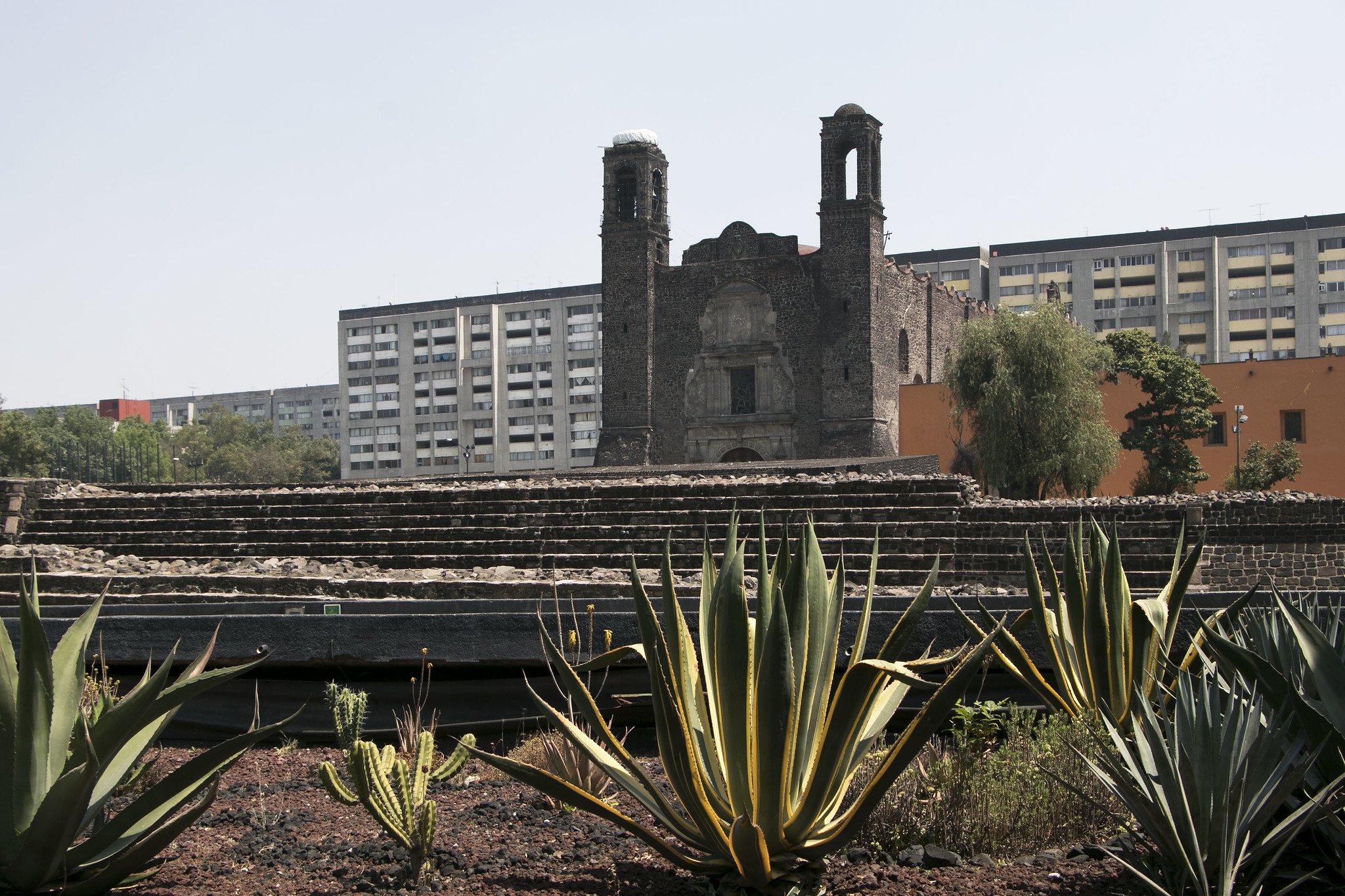
The Plaza de las Tres Culturas, with its blend of pre-Hispanic, colonial, and modern architecture, stands as a testament to Mexico’s rich and complex history. But it is the events of October 2, 1968, that have forever etched this place in the collective memory of the Mexican people. As visitors walk through the plaza today, they are reminded of the sacrifices made by those who dared to stand up for their beliefs and the ongoing struggle for a more just and democratic society.
The Plaza de las Tres Culturas stands as a powerful symbol of Mexico’s complex history and cultural heritage. This unique site in Mexico City represents the convergence of three distinct periods: pre-Hispanic Aztec, Spanish colonial, and modern Mexico. The plaza’s juxtaposition of ancient Aztec ruins, a colonial-era church, and modern buildings serves as a physical reminder of the nation’s diverse cultural influences. It also holds historical significance as the site of the tragic Tlatelolco massacre in 1968. Today, the Plaza de las Tres Culturas continues to be an important landmark, offering visitors a tangible connection to Mexico’s past while embodying the country’s ongoing cultural evolution and resilience.